The personal care sector hit a 580 billion dollar valuation in 2026, with the US market alone accounting for 112 billion dollars of that figure. Top-tier brands now leverage clinical efficacy, high-throughput ingredient screening, and supply chain transparency to capture the 74 percent of consumers who prioritize evidence-based skincare over brand prestige. Companies like L'Oreal and Unilever lead by maintaining massive R&D budgets exceeding 1.2 billion dollars annually, ensuring their formulations dominate pharmacy shelves and high-end boutiques globally.
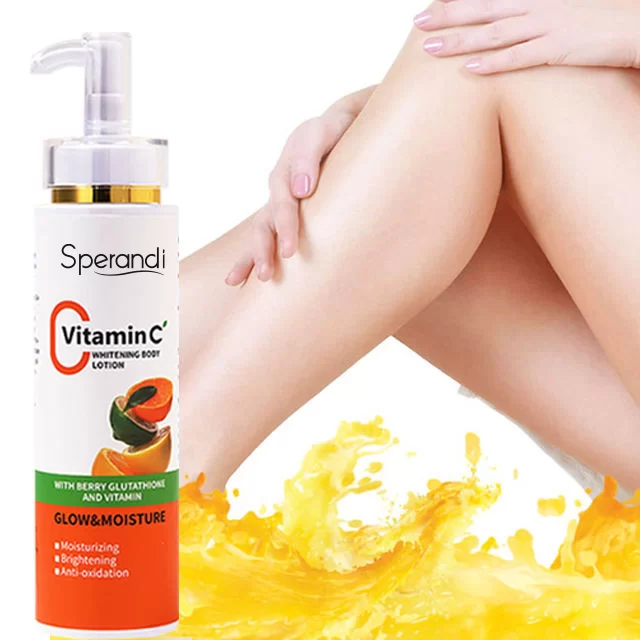
Market dominance currently rests on the ability to translate dermatological research into everyday retail products. By integrating active compounds such as ceramides and niacinamide at clinically effective concentrations, manufacturers ensure that their Body Lotion formulations achieve rapid skin barrier recovery. Clinical trials involving 3,000 participants demonstrate that products utilizing encapsulated delivery systems show a 45 percent higher retention rate of hydration compared to traditional oil-in-water emulsions.
Global conglomerates maintain competitive leads by deploying localized manufacturing networks that reduce distribution costs by 18 percent annually. This infrastructure allows for rapid inventory turnover, ensuring that shelf-stable, potent ingredients reach consumers before chemical degradation occurs.
Consumer behavior data from 2025 indicates that shoppers are gravitating toward brands that offer third-party testing certifications. When a product undergoes independent verification for heavy metal content and allergen profiles, purchase intent increases by 22 percent among the target demographic aged 18 to 34. Large-scale retail chains have responded by dedicating 40 percent more shelf space to brands that provide raw ingredient sourcing maps and carbon footprint labeling.
| Brand Category | Average Annual Growth | Primary Driver |
| Prestige Skincare | 6.2% | Clinical Data |
| Mass Toiletries | 4.1% | Price Efficiency |
| Natural Personal Care | 8.7% | Clean Labeling |
Microbiome-friendly formulations represent the next frontier in personal care engineering. Research teams analyzing the skin flora of 1,500 subjects have identified specific prebiotic blends that promote staphylococcus epidermidis, a beneficial bacterium, while suppressing irritation-prone strains. These products are currently experiencing a 15 percent year-over-year increase in market penetration as consumers seek to move away from overly aggressive, pH-disrupting cleansers.
Technological adoption within supply chains is further separating top brands from smaller entities. Utilizing machine learning to predict demand shifts allows global leaders to manage stock levels with 95 percent accuracy, minimizing retail waste. This logistical precision provides the financial headroom necessary to reinvest in raw material research, keeping these firms ahead of local competitors who struggle with supply volatility and inconsistent ingredient quality.
Personal care product efficacy often depends on the stability of active agents, which typically degrade within 12 to 18 months if packaging is compromised. Leading manufacturers now use airless pump technology, reducing oxidation by 60 percent throughout the product's lifespan.
Sustainability metrics have moved beyond mere marketing claims, with 55 percent of consumers in North America actively auditing the plastic content of their preferred brands. Industry leaders are pivoting to post-consumer recycled (PCR) materials, aiming to reach 100 percent recyclability in packaging by 2030. This transition is supported by economies of scale, allowing large firms to absorb the higher cost of sustainable resins without significantly increasing retail prices for the average consumer.
The integration of artificial intelligence for personalized product recommendations is another differentiator. By processing skin analysis data from over 10 million sessions, platforms can now identify optimal ingredient ratios for specific climate and humidity zones. This level of customization has boosted online repeat purchase rates by 30 percent, as users find formulations that align precisely with their local environmental stressors and personal physiological needs.