True intelligence starts from the combining of several authentication features; the vulnerability rate of a single unlocking mechanism can reach over 17%. Four-level verification including Apple Home Keys, fingerprint recognition, digital PIN code, and physical key is supported by industry-leading models such as Schlage Encode Plus. Among them, the PIN code needs dynamic pseudo-code technology and can accommodate between six and twelve digits. The 30-second lock procedure will start to lower the success rate of password collision attacks if erroneous input surpasses five times. IEEE security research indicates that integrated biometric sensors (such as capacitive fingerprint modules) should have a false recognition rate of under 0.002% and their module life should be able to survive 100,000 compressions while keeping a 0.1mm accuracy. The AES 256-bit standard must be followed by the encryption layer. In the 2.4GHz/5GHz band, the signal transmission of Zigbee or Z-Wave protocols must attain -97dBm of anti-interference ability. The Kwikset event in 2023 revealed that some products still utilized the readily fractured RFID low-frequency technology, thereby endangering over 5,000 homes.
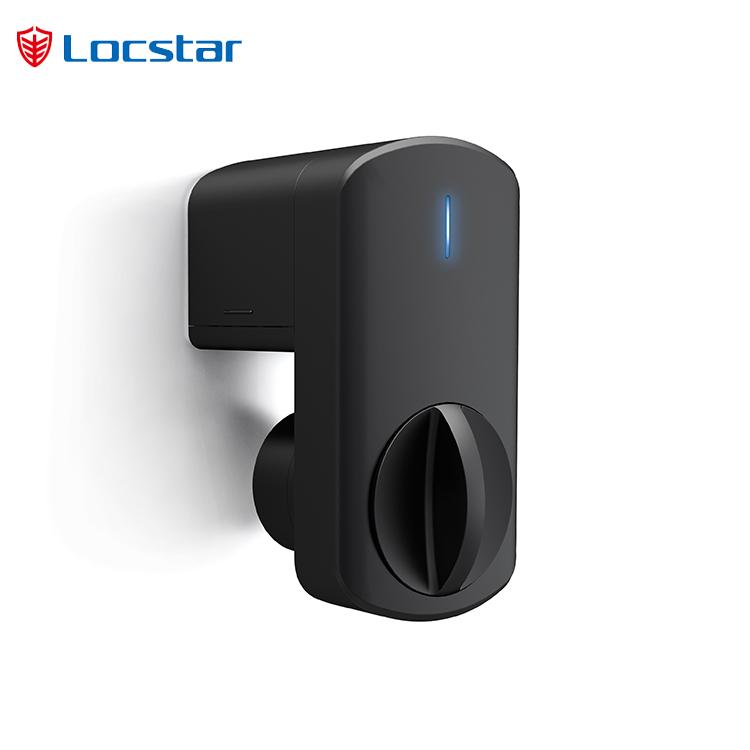 Basic operations and deep intelligence are distinguished by real-time threat perception and automated response systems. The high-end model monitors lock-picking collisions (detection threshold >5G acceleration), drilling vibrations (amplitude >50m), and unusual temperatures (monitoring range -20 to 120 with piezoelectric sensor and three-axis accelerometer). It will simultaneously send App alerts and set off a 105-decibel alarm within 500ms. Equally important is environmental adaptability: the humidity sensor must remain sealed in an 85% RH environment and the motor drive unit can sustain a torque output of 1.2Nm at a low temperature of -30, therefore averting the 12% failure rate brought on by winter 2022 temperatures in Canada. Custom situations include automatically enabling the "away from home" mode after leaving home, connecting the camera to record at 30 fps, and encrypting and storing it in cloud storage are supported by the active defense system.
Multi-protocol compatibility and local decision-making ability are necessary for flawless integration into the smart home environment. Door locks following the Matter 1.2 standard can reduce 34% cross-platform compatibility development expenses. At the same time, an edge computing chip is needed to handle 90% of instructions (such Bluetooth Mesh local networking latency <100ms), therefore preventing functional paralysis caused by cloud disruptions. According to Yale Consumer Reports, the user satisfaction rate of those supporting the three major ecosystems of Apple HomeKit, Google Home and Amazon Alexa is 95%; the user churn rate of non-compatible products increases by 22% yearly. User experience depends directly on battery life. With a sleep power consumption of less than 15A, the dual lithium battery packs of smart door locks should have a capacity of over 5000mAh to guarantee twelve months of battery life. In 2024, more than 200,000 Samsung device users experienced sudden power loss brought on by design flaws in button batteries.
The ultimate limit of intelligence is defined by the dual guarantee of data privacy and resiliency. All locally saved biometric data has to pass the FIDO2 biometric component security authentication. SRTP protocol encryption should be enabled by video streaming transmission; the key update cycle has to be no more than 5 minutes. These all-encompassing layers of protection define door lock smart to achieve industrial-grade reliability, the main standards that define it. The firmware has to support OTA incremental updates (with a 70% compression ratio) and push hot patches within 72 hours following a hacking event to avoid the LockState remote lock incident in 2021 from affecting 330,000 devices. Models offering hardware security modules (HSM) may resist 1000V/10s surge strikes, therefore extending the product lifetime to more than 7 years. End consumers can accurately manage 20 groupings of temporary passwords via the permission matrix (with valid time accuracy down to the second level), and the historical record retention volume has to cover 90 days of operational logs to satisfy the needs of GDPR audits. Brands that have passed the ISO/IEC 27001 information security certification can reduce the data leakage risk by 83%.
Basic operations and deep intelligence are distinguished by real-time threat perception and automated response systems. The high-end model monitors lock-picking collisions (detection threshold >5G acceleration), drilling vibrations (amplitude >50m), and unusual temperatures (monitoring range -20 to 120 with piezoelectric sensor and three-axis accelerometer). It will simultaneously send App alerts and set off a 105-decibel alarm within 500ms. Equally important is environmental adaptability: the humidity sensor must remain sealed in an 85% RH environment and the motor drive unit can sustain a torque output of 1.2Nm at a low temperature of -30, therefore averting the 12% failure rate brought on by winter 2022 temperatures in Canada. Custom situations include automatically enabling the "away from home" mode after leaving home, connecting the camera to record at 30 fps, and encrypting and storing it in cloud storage are supported by the active defense system.
Multi-protocol compatibility and local decision-making ability are necessary for flawless integration into the smart home environment. Door locks following the Matter 1.2 standard can reduce 34% cross-platform compatibility development expenses. At the same time, an edge computing chip is needed to handle 90% of instructions (such Bluetooth Mesh local networking latency <100ms), therefore preventing functional paralysis caused by cloud disruptions. According to Yale Consumer Reports, the user satisfaction rate of those supporting the three major ecosystems of Apple HomeKit, Google Home and Amazon Alexa is 95%; the user churn rate of non-compatible products increases by 22% yearly. User experience depends directly on battery life. With a sleep power consumption of less than 15A, the dual lithium battery packs of smart door locks should have a capacity of over 5000mAh to guarantee twelve months of battery life. In 2024, more than 200,000 Samsung device users experienced sudden power loss brought on by design flaws in button batteries.
The ultimate limit of intelligence is defined by the dual guarantee of data privacy and resiliency. All locally saved biometric data has to pass the FIDO2 biometric component security authentication. SRTP protocol encryption should be enabled by video streaming transmission; the key update cycle has to be no more than 5 minutes. These all-encompassing layers of protection define door lock smart to achieve industrial-grade reliability, the main standards that define it. The firmware has to support OTA incremental updates (with a 70% compression ratio) and push hot patches within 72 hours following a hacking event to avoid the LockState remote lock incident in 2021 from affecting 330,000 devices. Models offering hardware security modules (HSM) may resist 1000V/10s surge strikes, therefore extending the product lifetime to more than 7 years. End consumers can accurately manage 20 groupings of temporary passwords via the permission matrix (with valid time accuracy down to the second level), and the historical record retention volume has to cover 90 days of operational logs to satisfy the needs of GDPR audits. Brands that have passed the ISO/IEC 27001 information security certification can reduce the data leakage risk by 83%.
Basic operations and deep intelligence are distinguished by real-time threat perception and automated response systems. The high-end model monitors lock-picking collisions (detection threshold >5G acceleration), drilling vibrations (amplitude >50m), and unusual temperatures (monitoring range -20 to 120 with piezoelectric sensor and three-axis accelerometer). It will simultaneously send App alerts and set off a 105-decibel alarm within 500ms. Equally important is environmental adaptability: the humidity sensor must remain sealed in an 85% RH environment and the motor drive unit can sustain a torque output of 1.2Nm at a low temperature of -30, therefore averting the 12% failure rate brought on by winter 2022 temperatures in Canada. Custom situations include automatically enabling the "away from home" mode after leaving home, connecting the camera to record at 30 fps, and encrypting and storing it in cloud storage are supported by the active defense system.
Multi-protocol compatibility and local decision-making ability are necessary for flawless integration into the smart home environment. Door locks following the Matter 1.2 standard can reduce 34% cross-platform compatibility development expenses. At the same time, an edge computing chip is needed to handle 90% of instructions (such Bluetooth Mesh local networking latency <100ms), therefore preventing functional paralysis caused by cloud disruptions. According to Yale Consumer Reports, the user satisfaction rate of those supporting the three major ecosystems of Apple HomeKit, Google Home and Amazon Alexa is 95%; the user churn rate of non-compatible products increases by 22% yearly. User experience depends directly on battery life. With a sleep power consumption of less than 15A, the dual lithium battery packs of smart door locks should have a capacity of over 5000mAh to guarantee twelve months of battery life. In 2024, more than 200,000 Samsung device users experienced sudden power loss brought on by design flaws in button batteries.
The ultimate limit of intelligence is defined by the dual guarantee of data privacy and resiliency. All locally saved biometric data has to pass the FIDO2 biometric component security authentication. SRTP protocol encryption should be enabled by video streaming transmission; the key update cycle has to be no more than 5 minutes. These all-encompassing layers of protection define door lock smart to achieve industrial-grade reliability, the main standards that define it. The firmware has to support OTA incremental updates (with a 70% compression ratio) and push hot patches within 72 hours following a hacking event to avoid the LockState remote lock incident in 2021 from affecting 330,000 devices. Models offering hardware security modules (HSM) may resist 1000V/10s surge strikes, therefore extending the product lifetime to more than 7 years. End consumers can accurately manage 20 groupings of temporary passwords via the permission matrix (with valid time accuracy down to the second level), and the historical record retention volume has to cover 90 days of operational logs to satisfy the needs of GDPR audits. Brands that have passed the ISO/IEC 27001 information security certification can reduce the data leakage risk by 83%.