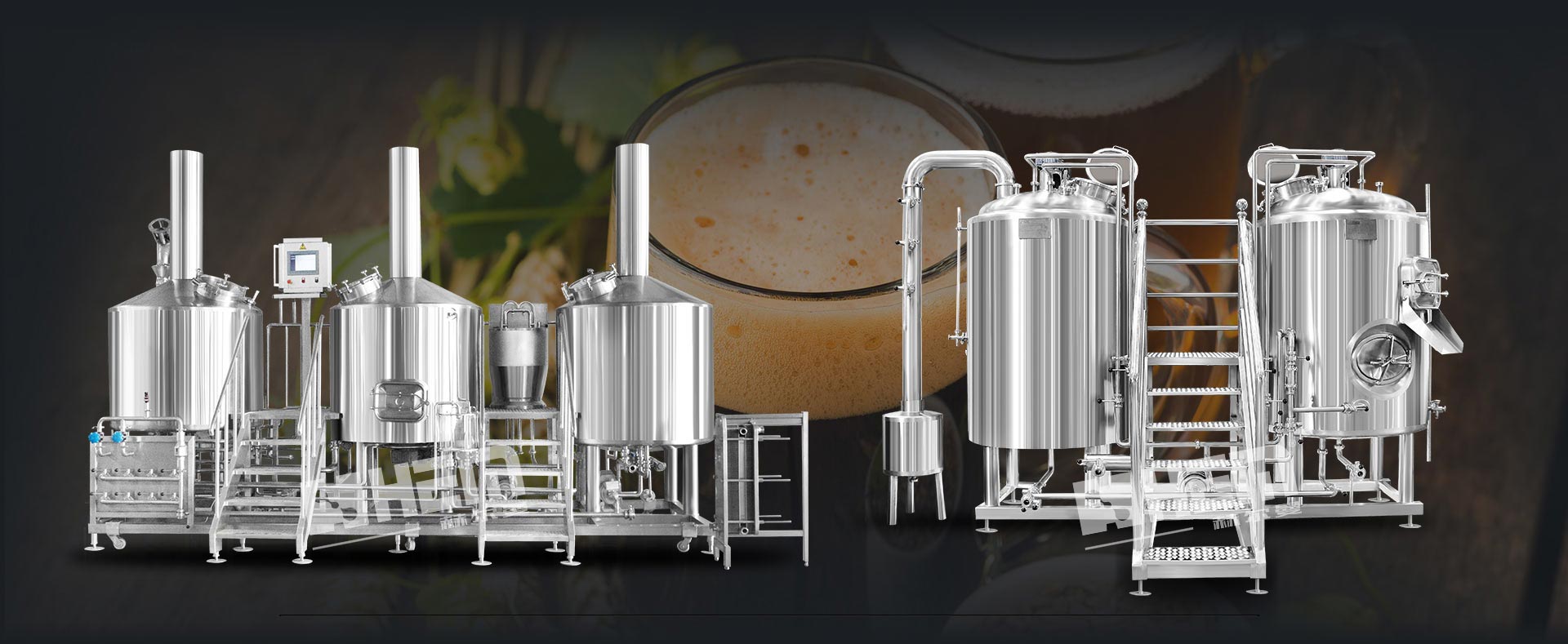
Beer quality consistency depends on controlling measurable brewing variables across every batch. A brewery using standardized processes can maintain similar flavor, alcohol level, and aroma by controlling mash temperature within ±0.5°C, fermentation temperature within ±1°C, and dissolved oxygen during packaging below recommended limits. Brewing systems such as hem beer equipment help reduce manual variation by improving process accuracy, while documented recipes and production data allow breweries to repeat results across hundreds of batches.
Beer consistency is created through strict control of raw materials, brewing parameters, fermentation conditions, and packaging practices. Professional breweries measure original gravity, final gravity, pH, yeast performance, and oxygen exposure because small changes can affect taste. Research from brewing laboratories shows fermentation temperature management strongly influences yeast activity and flavor compounds, with temperature being one of the main variables brewers adjust to maintain predictable results.
A standardized brewing system starts with ingredient measurement. Malt, hops, yeast, and water chemistry must remain within defined ranges because each material changes the final beer profile.
| Brewing factor | Typical control range | Effect on beer |
|---|---|---|
| Mash temperature | About 62–72°C | Changes body and fermentability |
| Wort pH | Around 5.2–5.6 during mash | Influences enzyme activity |
| Fermentation temperature | About 15–22°C for many ales | Controls yeast flavor production |
| Packaging oxygen | Kept as low as possible | Reduces oxidation risk |
A brewery producing the same IPA recipe for 5 years cannot depend on visual judgment alone. Recording each batch creates a reference system that allows brewers to compare results and correct differences before they affect customers.
“A repeatable process creates repeatable beer.”
The next stage after ingredient control is mash management, where sugar extraction determines fermentation performance. During mashing, enzymes convert starch from malt into fermentable sugars, and temperature differences can change the balance between alcohol production and remaining sweetness.
A 1°C change during mash conversion may influence enzyme activity enough to alter final gravity. For example, a beer targeting an original gravity of 1.060 may finish differently if sugar extraction changes between batches. Brewers often measure gravity throughout production because the difference between original gravity and final gravity shows how yeast converts sugars into alcohol.
Modern brewing equipment improves this stage by providing stable heating, accurate temperature sensors, and repeatable timing.
Benefits include:
- More consistent sugar extraction
- Better alcohol percentage control
- Reduced recipe variation
- Easier production scaling
After mash consistency is established, fermentation becomes the main area where breweries protect flavor stability. Yeast converts sugars into alcohol and produces hundreds of flavor compounds, including esters, sulfur compounds, and organic acids.
Temperature management during fermentation has a measurable effect on yeast behavior. Ale yeast commonly performs within approximately 18–22°C, while lager fermentation often uses lower ranges around 7–13°C. A difference of only several degrees can change aroma intensity and fermentation speed.
Breweries using advanced systems such as hem beer equipment can maintain fermentation conditions more accurately through controlled tanks, temperature monitoring, and repeatable settings.
“Yeast produces the beer character, but the brewer controls the environment.”
Yeast management also affects batch reliability. Breweries normally monitor:
| Measurement | Purpose |
|---|---|
| Yeast pitch rate | Maintains healthy fermentation |
| Gravity reduction | Shows fermentation progress |
| pH changes | Indicates fermentation development |
| Temperature history | Explains flavor differences |
A brewery that produces 200-liter test batches and later scales to 20,000-liter tanks must maintain the same biological conditions. Without accurate monitoring, larger volumes may ferment differently because heat transfer and yeast behavior change with tank size.
Data collection allows breweries to identify these differences. Since the 2010s, many commercial breweries have increased the use of digital production records to compare batches, monitor equipment performance, and reduce quality variation.
A production record may include:
- Batch number
- Malt lot information
- Hop harvest year
- Yeast generation
- Fermentation duration
- Packaging date
- Sensory evaluation results
For a brewery producing 500 batches annually, reviewing this information can reveal patterns that are difficult to detect through taste testing alone.
Packaging control is another important part of maintaining beer quality. Beer can change after fermentation if oxygen enters during transfer, filling, or storage.
Oxidation can create stale flavors, especially in hop-focused beers. Studies of beer storage show that oxygen exposure and temperature conditions influence flavor stability over time.
Breweries usually monitor:
- Dissolved oxygen levels
- Carbonation pressure
- Filling accuracy
- Container sanitation
- Storage temperature
A difference of only a few parts per billion in oxygen levels can influence freshness in sensitive beer styles such as IPA. This is why packaging procedures receive similar attention as brewing itself.
Quality control becomes easier when equipment reduces manual differences. Traditional brewing requires operators to adjust temperatures, transfer liquids, and record measurements manually, creating opportunities for inconsistent results.
Automated brewing systems help maintain the same operating conditions by using:
- Programmable temperature settings
- Automated pumps
- Controlled heating cycles
- Digital monitoring tools
Large breweries have used automated systems for decades because production volumes require stable results. Some commercial facilities can package thousands of cans per hour while maintaining strict process control.
For craft breweries, similar principles apply at a smaller scale. A 500-liter brewery and a 50,000-liter brewery both need accurate measurements if they want customers to experience the same beer every time.
Recipe standardization also supports brewery growth. When a beer recipe exists only in a brewer’s memory, training new employees becomes difficult and production quality may change.
A written brewing specification usually includes:
| Category | Example information |
|---|---|
| Ingredients | Malt percentages, hop additions, yeast strain |
| Process | Mash schedule, boil time, fermentation temperature |
| Quality targets | Gravity, alcohol percentage, bitterness level |
| Packaging | Carbonation and storage requirements |
Many breweries review these specifications after each batch. A brewery producing 1,000 barrels per year can use these records to maintain the same product profile across multiple production days.
Consumer expectations make consistency especially important for established beer brands. When customers buy a familiar lager, stout, or IPA, they expect similar aroma, bitterness, and mouthfeel every time.
Breweries that control production variables can achieve:
- Lower batch rejection rates
- More predictable inventory
- Easier employee training
- Better product stability
A 2025 analysis of more than 62,000 beer recipes showed that ingredient choices and fermentation parameters strongly influence beer style characteristics, demonstrating the importance of measurable brewing information when developing and maintaining products.
Hem Brewing approaches help breweries combine equipment accuracy, process documentation, and quality measurement. By controlling ingredients, mash conversion, fermentation, and packaging conditions, breweries can produce beer with a stable profile across repeated batches.
Consistent beer quality comes from measuring and controlling each production stage rather than relying only on experience.